Caregiver vs Caretaker: The Real Difference

If you’ve ever found yourself Googling the difference between a caregiver and a caretaker, you’re not alone—and you’re certainly not silly for asking. These two words get tossed around like they mean the same thing, but let me tell you right now: they don’t. And understanding the difference could mean everything when you’re deciding how to care for someone you love… or protect something you own.
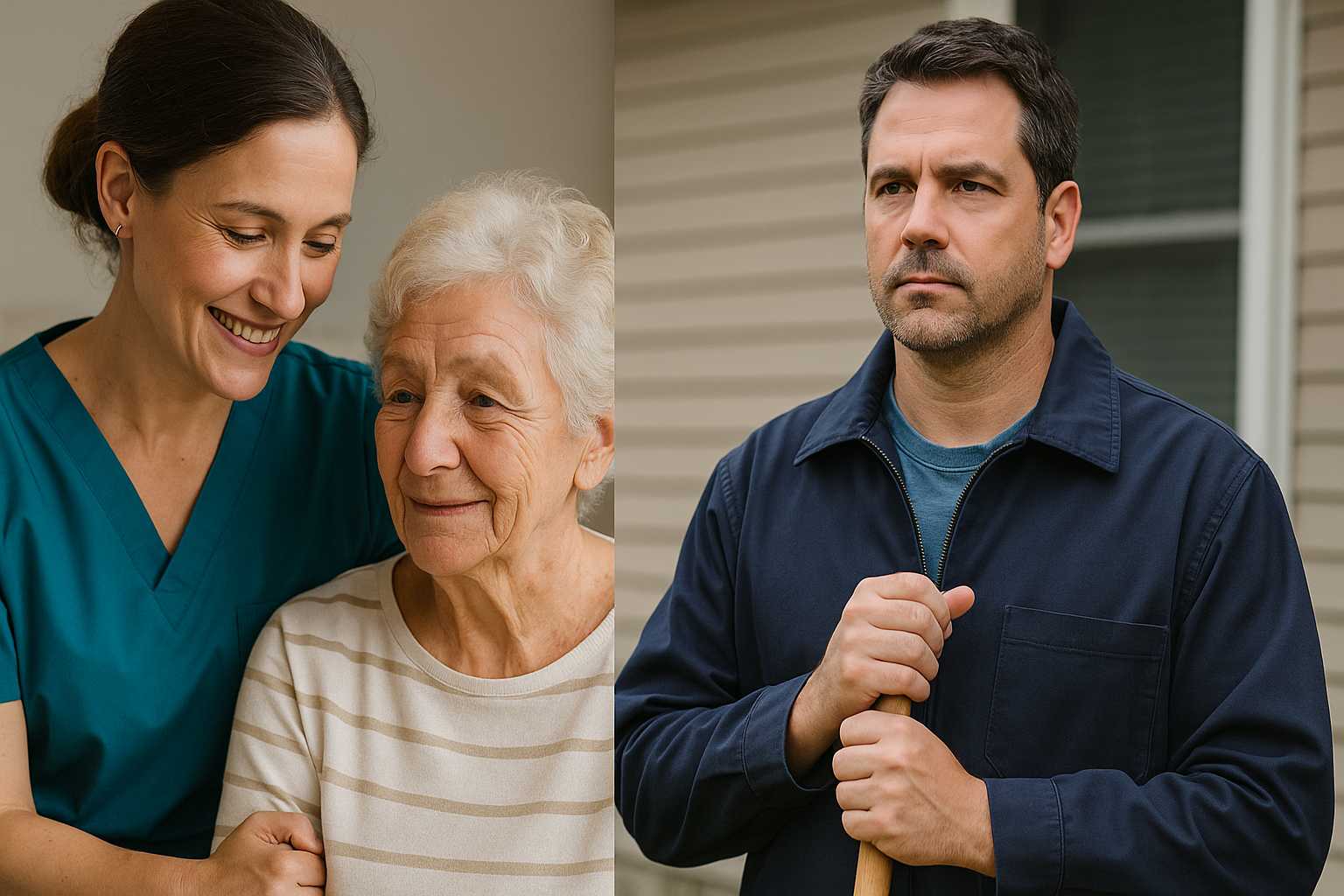
A caregiver often shows up in a hospital room, a family living room, or quietly by the side of someone who can’t bathe, feed, or advocate for themselves anymore. This person gives their time, their hands, their hearts—and in many cases, their entire lives—to care for another human being. It’s messy, beautiful, exhausting work.
A caretaker, on the other hand, may be the person who watches over an estate, takes care of a property, or maybe even tends to animals on a farm. Their role is incredibly important too—but it’s usually more transactional and far less emotionally involved.
And here’s where it gets tricky: sometimes the roles blend. Sometimes someone is hired as a caretaker but ends up taking on caregiver duties. Sometimes family members fall into caregiver roles without even realizing it, and they start to burn out quietly because they never thought to call it what it is.
This article is here to help you name things properly, draw boundaries when needed, and understand how each role works—emotionally, legally, practically. I’ve spent over three decades in senior care, and believe me when I say: the words you use shape the care you give.
Let’s clear up the confusion once and for all.
Precision Definitions
Let’s not dance around it—definitions matter. The words caregiver vs caretaker may sound like cousins, but they come from entirely different families when it comes to how they’re used in real life.
Caregiver
A caregiver is someone who provides care to another person, typically someone who is elderly, ill, disabled, or otherwise unable to fully care for themselves. This could be a family member caring for Mom at home, or a trained home health aide visiting clients each day. Caregivers may help with:
- Bathing, dressing, and grooming
- Administering medication
- Meal prep and feeding
- Mobility assistance
- Emotional companionship and advocacy
And here’s the clincher: caregiving is often deeply emotional. It’s about connection, trust, and vulnerability. In fact, many caregivers don’t even realize they are one—they just think they’re “helping out.” But that help quickly turns into full-time labor, often unpaid and unrecognized.
Caretaker
Now a caretaker usually refers to someone responsible for maintaining property or overseeing tasks for someone else. That might include:
- Managing an estate or house when the owner is away
- Feeding and caring for animals
- Doing routine repairs or groundskeeping
- Watching over a facility like a school, farm, or office building
Caretakers are often hired in a formal capacity, and while they might be deeply trustworthy and competent, their job is focused on things, not emotions. You won’t find many caretakers brushing someone’s hair while listening to their fears about dying. That’s the sacred work of a caregiver.
When the Lines Blur
In some cases, someone might serve as both. For example, a live-in caretaker at a private home might end up doing light caregiving duties—like driving an elderly homeowner to appointments or keeping track of medication. But unless emotional and physical support become their primary focus, their role is still mostly that of a caretaker.
So here’s your rule of thumb:
Caregiver = person-centered, emotionally invested, often intimate.
Caretaker = task-centered, responsibility-based, usually more detached.
Words have weight. And knowing what to call a role can help you set expectations, avoid burnout, and—most importantly—get or give the right kind of support.
Word Origins and Regional Flavor
Words carry history, and these two—caregiver and caretaker—have roots that tell us a lot about how they’ve evolved.
Where They Come From
Let’s start with the bones of the words.
- “Caregiver” is a relatively modern term, rooted in the idea of giving care—not just offering help, but actively providing emotional and physical support. It’s a compound word that became widely used in the late 20th century, especially in medical, elder care, and family health contexts.
- “Caretaker”, on the other hand, is older. It stems from the idea of taking care—but traditionally, not of people. Historically, a caretaker was someone who looked after property, animals, or other people’s possessions. It’s the kind of term you’d hear used for someone managing a country estate, not helping a senior with Alzheimer’s navigate breakfast.
Regional Differences
In North America, especially the United States and Canada, “caregiver” is the dominant term when referring to someone who helps a person, especially in healthcare or family settings.
But cross the Atlantic, and things change. In the United Kingdom, “carer” is the word most often used. For example, someone taking care of an aging parent in London would say, “I’m my mum’s carer.” The word “caregiver” feels foreign or overly clinical there.
Meanwhile, “caretaker” in the UK tends to mean someone who watches over a building, like a school janitor or groundskeeper. If you say “caretaker” in a British hospital, someone might think you’re asking for the custodian.
The Rise of New Terms
Lately, some experts and advocacy groups have started using terms like “care partner” or “care ally” to better reflect the mutual relationship that often exists—especially when the person being cared for still has decision-making ability.
But no matter where you live, one thing remains clear: if the care is focused on a person’s wellbeing, it’s closer to caregiving. If it’s about protecting, managing, or maintaining, it’s caretaking.
Understanding these linguistic quirks isn’t just trivia—it helps clarify roles, reduce misunderstandings, and make sure the right kind of support is given and respected.
Emotional vs Functional Divide
Now we’re stepping into the heart of the difference—and it’s not about job titles or tasks. It’s about the nature of the work and the emotional investment that comes with it.
The Emotional Weight of Caregiving
A caregiver often becomes a quiet hero. Whether it’s helping someone bathe, feeding them when their hands shake too much, or just sitting beside them as they cry—this role is profoundly intimate.
Caregiving isn’t just about doing things for someone. It’s about being with them. Bearing witness. Carrying the emotional weight of watching someone decline, or recover, or fight to stay independent. You learn their routines, their moods, their fears. And in many cases, you love them—because they’re family, or because that bond forms over time.
This emotional closeness can bring deep fulfillment—but also deep exhaustion. That’s why caregiver burnout is a real, serious issue, especially for those caring for loved ones without adequate support.
The Functional Clarity of Caretaking
In contrast, a caretaker is often hired to handle a set of responsibilities—mow the lawn, feed the animals, lock up at night, check for leaks, keep things orderly. And when the job is done, they go home.
There may be loyalty. There may even be fondness. But the role is structured and task-oriented. The caretaker’s relationship with their work doesn’t usually involve grief, guilt, or sleepless nights wondering if they said the right thing to someone dying in their arms.
In short:
- Caregivers carry people.
- Caretakers carry tasks.
That doesn’t mean one is more important than the other—but it absolutely means the emotional toll is different.
When Roles Overlap
There are moments when a caretaker begins to take on caregiving responsibilities. Maybe a hired live-in help starts helping Grandpa with his medication. Maybe the gardener becomes the one who notices when something’s “off.”
That overlap can be beautiful—or problematic—if the expectations aren’t clear.
The best thing you can do for yourself or someone you hire? Define the role upfront. Know where the emotional labor begins, and make sure it’s acknowledged, supported, or at the very least—named.
Because caring for someone is sacred work. And those who do it deserve to know what kind of care they’re really giving.
Training, Certification & Employment Status
It’s one thing to care. It’s another thing to be qualified to care—especially when someone’s health, dignity, or safety is on the line. Let’s talk about the structure (or lack thereof) behind each role.
Caregivers: From Informal to Certified
Caregivers exist on a wide spectrum—from a daughter quietly helping her dad manage his pills, to a trained professional employed by a home health agency. And depending on where you are, formal caregiving often comes with required training, licenses, or certifications.
Here’s a quick snapshot:
- Family caregivers (unpaid) typically don’t need formal training—but many attend workshops or online programs to understand conditions like dementia, Parkinson’s, or stroke recovery.
- Professional caregivers may need certifications such as:
- Certified Nursing Assistant (CNA)
- Home Health Aide (HHA)
- Personal Support Worker (PSW)
- Some jurisdictions require CPR, first aid, and mandatory reporting training.
- Agencies hiring caregivers may conduct background checks, drug tests, and skills assessments.
But here’s the twist—many family caregivers end up doing work equal to (or more demanding than) licensed professionals, without ever being paid or certified. They learn as they go. And they often carry enormous responsibilities, unsupported.
Caretakers: Task-Oriented, Less Regulated
Caretakers, meanwhile, are typically hired for property or facility maintenance. Their employment may be casual or contractual, depending on the setting. Think:
- Apartment superintendents
- Estate managers
- Farmhands
- Groundskeepers
- Animal caretakers
Training here is usually on-the-job, with far fewer legal or safety regulations—unless the role involves hazardous tools, chemicals, or specialized equipment. There’s generally no national caretaker license required. You don’t need a certification to walk someone’s dog or fix their broken fence.
And since caretakers aren’t usually providing intimate personal care, they’re not held to the same ethical, legal, or emotional standards as caregivers.
Where the Confusion Hurts
Here’s where it gets dangerous: when someone is hired as a caretaker but ends up doing caregiver-level work—like lifting a person, administering medication, or supporting someone with dementia—without training, guidance, or support.
That’s not just unfair. It can be unsafe for everyone involved.
So if you’re hiring—or being hired—ask this:
Are we caring for a property… or for a person?
Because if it’s the latter, the expectations, qualifications, and emotional toll are far greater—and so is the responsibility to do it right.
Scope of Duties (Contrasts with Real Examples)
By now, you know there’s a big difference in tone, training, and emotional load between caregivers and caretakers—but what about the actual day-to-day work? Let’s take a clear look at the kinds of duties each role typically covers, and where those lines sometimes blur.
Caregiver Duties: Human-Centered Support
Whether professional or family-based, caregivers focus on direct personal care. Here are the most common responsibilities:
- Helping with bathing, dressing, and grooming
- Administering or reminding about medications
- Preparing meals based on dietary needs
- Monitoring symptoms or behavioral changes
- Providing companionship and emotional support
- Transporting to medical appointments
- Assisting with toileting and mobility
- Coordinating with doctors or care teams
A caregiver may also act as an advocate—speaking on behalf of someone who’s non-verbal, confused, or overwhelmed. In many cases, they’re the only person noticing small warning signs like loss of appetite or increased confusion.
Let’s be honest: a caregiver often becomes the person holding everything together.
Caretaker Duties: Task-Centered Responsibilities
Caretakers, on the other hand, are focused on non-medical, non-personal upkeep. Think more tools than thermometers.
Common caretaker responsibilities include:
- Maintaining the exterior and interior of a property
- Yardwork, snow shoveling, and seasonal maintenance
- Feeding pets or livestock
- Checking security systems or locks
- Cleaning or restocking supplies
- Running errands or driving (sometimes)
- Overseeing hired contractors or tradesmen
- Reporting damage or needed repairs
Their relationship is with the place, not the person. And once their tasks are complete, their job ends for the day.
When the Lines Blur: Real-World Scenarios
Let’s look at some common overlap:
- A live-in caretaker for an elderly homeowner starts preparing meals, doing light housekeeping, and offering rides—tasks that look a lot like caregiving.
- A family caregiver begins maintaining a home in addition to caring for a loved one, effectively taking on caretaker duties too.
Blended roles are common, especially in small communities, family setups, or when trying to save costs. But here’s the danger: when one role slowly becomes two—without acknowledgment, pay, or training—the person in that role becomes stretched too thin.
Quick Comparison Table
| Task Category | Caregiver | Caretaker |
|---|---|---|
| Personal Hygiene | Yes | No |
| Emotional Support | Yes | Rare |
| House Maintenance | Sometimes (light chores) | Yes |
| Medication Handling | Yes | No |
| Driving | Sometimes | Sometimes |
| Lawn / Grounds Care | Rare | Yes |
| Pet or Livestock Care | Rare | Yes |
| Medical Liaison | Yes | No |
Understanding these duties—and the expectations that come with them—is how you protect yourself, your loved ones, and the person you hire (or become).
Health Risks: Burnout, Codependence & Caregiver Syndrome
Let’s talk about what no job description ever includes—but every caregiver eventually faces: burnout.
Caregiving, when done with heart (and most of the time, it is), comes at a cost. A cost that’s emotional, physical, and sometimes even spiritual. And unlike caretakers—who usually have clearer work hours, tasks, and emotional boundaries—caregivers often carry the weight of everything.
The Toll of Caregiving: More Than Just Fatigue
Here are some sobering facts:
- According to the Family Caregiver Alliance, 40–70% of family caregivers show symptoms of depression.
- Caregivers are more likely to suffer from chronic conditions like high blood pressure, weakened immune function, and even heart disease.
- Prolonged caregiving can lead to caregiver syndrome—a form of burnout that includes anxiety, sleep disturbances, resentment, and complete exhaustion.
And it’s not just about physical tasks. It’s the emotional rollercoaster of watching someone you love fade… or rage… or forget your name. It’s being “on” 24/7. It’s guilt when you take a break. Guilt when you don’t.
I’ve seen caregivers—especially spouses and adult daughters—completely lose themselves in the process.
Codependence: When Care Becomes Control
Another silent danger is codependent caretaking. This is when helping crosses the line into over-functioning—doing everything for someone out of fear, guilt, or control.
It might look like:
- Not letting the care recipient make decisions, even when they still can
- Sacrificing your own relationships or career without boundaries
- Feeling like you’re the only one who can do things “the right way”
- Ignoring your own health to keep someone else stable
This kind of dynamic is especially risky in family settings, where love and obligation get tangled up. It often starts with the best of intentions—but can end with two people suffering instead of one.
What About Caretakers?
Caretakers, by contrast, are less likely to experience emotional burnout because:
- Their duties are task-oriented
- They typically have structured hours and job descriptions
- Emotional entanglement is limited or absent
That’s not to say caretaking is easy—it can be physically demanding, especially on large properties or when caring for animals. But the psychological burden is usually lighter.
What You Can Do
If you’re a caregiver, or know someone who is, here are a few must-dos:
- Get respite care—even a few hours off matters
- Join a support group—in person or online
- Talk to a therapist—don’t wait until you’re on the edge
- Set boundaries—say yes with your heart, but protect your health
Caregiving isn’t noble because it’s selfless. It’s noble because it’s done with love despite the cost. But that doesn’t mean it should cost you everything.
Economic & Legal Weight
Most people don’t think of caregiving or caretaking as financial or legal minefields—but they absolutely are. Whether you’re stepping into the role as a loving family member or hiring someone to care for your home or loved one, the economic and legal implications are often overlooked until it’s too late.
The Hidden Economy of Caregiving
Let’s start with a shocking truth:
Unpaid family caregivers in the United States provided an estimated $470 billion worth of care in a single year.
(Source: AARP, 2023)
That’s more than the entire U.S. pharmaceutical industry.
Here’s the kicker—most of that caregiving:
- Goes uncompensated
- Lacks legal structure
- Doesn’t come with retirement, insurance, or even basic reimbursement
Many family caregivers leave their jobs, dip into savings, or delay their own medical care just to keep a parent, spouse, or sibling afloat. And unless they document everything, they often don’t qualify for financial support or tax deductions.
Some states and provinces offer:
- Caregiver tax credits
- Respite care funding
- Stipends through Medicaid waiver programs
But most caregivers don’t know where to begin—or don’t think they’re “official” enough to qualify. That’s a mistake.
The Legal Grey Zones
On the flip side, caretakers—especially those hired to manage homes or estates—are usually part of a contractual agreement. Their roles are defined, their pay is outlined, and expectations are laid out in black and white.
But problems still pop up when:
- There’s no written contract
- They begin doing caregiving work without formal agreement
- They live on the premises and get tangled in landlord–tenant laws
- Something goes wrong (injury, theft, negligence) without insurance coverage
Likewise, hiring a caregiver without a contract can open up serious risks:
- Wage and labor violations
- Workers’ compensation issues
- Accusations of neglect or abuse
- Disputes over live-in arrangements or property rights
Protecting Everyone Involved
If you’re hiring—or becoming—a caregiver or caretaker, take these steps:
- Write a contract
- Outline duties, hours, pay, time off, and boundaries.
- Clarify whether it’s a caregiver or caretaker role—or both.
- Get liability insurance
- Especially important if someone is working in your home.
- Track payments and receipts
- This is crucial for tax purposes or any future disputes.
- Document responsibilities
- In case of emergencies, misunderstandings, or changes in health.
- Seek legal advice
- Especially for live-in arrangements or family caregiving tied to inheritance or estate planning.
Caring is noble. But care without clarity can lead to lawsuits, financial strain, or damaged relationships. Protecting yourself—and the person you’re caring for—starts with treating these roles seriously.
Decision-Making Framework: Who Do You Need?
You’ve made it this far—so you know the terms caregiver and caretaker aren’t interchangeable. But what do you do when you’re staring down a real-life situation and need to decide who to hire, ask for help, or become?
Let’s build a simple framework to guide that decision.
Start With One Question: What Needs Caring?
Ask yourself:
- Is this about a person’s health, safety, and emotional wellbeing?
- Or is it about a property, animals, or routine tasks?
If it’s the first, you’re looking at a caregiver.
If it’s the second, you likely need a caretaker.
Use This Decision Matrix
| Scenario | Best Fit | Why |
|---|---|---|
| Elderly parent recovering from surgery | Caregiver | Needs mobility help, medication, monitoring, emotional support |
| Vacation home that needs upkeep while you’re away | Caretaker | No human care needed—just property maintenance |
| Family member with dementia | Caregiver | Requires emotional patience, safety monitoring, daily care |
| Rural estate with pets, grounds, and machinery | Caretaker | Task-heavy, property-focused work |
| Aging relative who’s still independent but needs some help | Possibly Both | May need light caregiving and caretaker support—define boundaries early |
| Hiring someone to live on property and manage both home and a senior’s needs | Blended Role | Consider hiring a caregiver with facility experience, or clearly outline a dual-role contract |
When You Might Need Both
In some complex situations—especially involving seniors who still live at home—a single person may not be enough. You may need:
- A professional caregiver for health and companionship
- A part-time caretaker for the yard, pets, errands, or heavy lifting
Trying to shove both jobs into one person’s hands (without support or proper training) is a recipe for burnout, mistakes, and tension.
Family vs. Hired Help
Sometimes family members take on these roles out of love—or pressure. Before stepping in:
- Ask: Do I have the time, skills, and emotional space for this?
- Be honest about your limits.
- Don’t be afraid to say: “I want to help, but we need outside support.” That’s not failure. That’s wisdom.
Don’t Forget Legal Clarity
If you’re paying someone—even a cousin—get the role in writing. Define:
- Responsibilities
- Pay
- Living arrangements
- Time off
- Safety measures
Clear expectations are a gift to everyone involved.
Bottom line: The care someone needs deserves the right kind of help. Define it. Own it. And if needed, split it—so nobody ends up drowning in duties they never signed up for.
Real-World Case Studies
Sometimes the clearest way to understand the difference between a caregiver and a caretaker is to see it play out in real life. These aren’t made-up hypotheticals—these are the kinds of situations I’ve seen over and over again in families, communities, and care facilities. Let’s walk through three real examples that show how distinct (and sometimes messy) these roles can be.
Case Study 1: The Daughter Who Became a Caregiver Overnight
Who: Marsha, a 54-year-old office manager
Situation: Her mother, recently diagnosed with Alzheimer’s, began forgetting to take medication and wandering outside at night.
Response: Marsha took unpaid leave from work to care for her mother full-time.
Reality:
Marsha found herself:
- Administering medication
- Cleaning up after bathroom accidents
- Calming nighttime anxiety
- Coordinating with doctors and pharmacists
She never thought of herself as a “caregiver.” She was “just being a good daughter.” But within three months, she was exhausted, isolated, and on antidepressants. She hadn’t defined her role. No one had offered help. And the burnout hit her like a brick wall.
Lesson: Family caregiving must be named, supported, and respected. It’s not just “helping out.”
Case Study 2: The Estate Caretaker With a Clear Contract
Who: Luis, a 43-year-old groundskeeper
Situation: He was hired to manage the property of an elderly couple who traveled six months of the year.
Duties:
- Lawn and garden maintenance
- Feeding their dog
- Overseeing security and routine repairs
Reality:
Luis had a clear job description, a formal contract, and set work hours. When the couple returned, he continued part-time, never involving himself in their personal care. He never overstepped, and they never asked him to.
Lesson: Caretaking roles succeed when clearly defined. Emotional boundaries were respected, and both parties were satisfied.
Case Study 3: The “Blended Role” That Went Off the Rails
Who: Diane, a 60-year-old neighbor
Situation: Hired informally to help with “light housework” and “checking in” on Mr. James, an 89-year-old retired schoolteacher.
Reality:
- Started cleaning and grocery shopping
- Then began helping with medication
- Then bathing him
- Then sitting with him at night as he became confused and anxious
No contract. No training. No backup. She was now, functionally, a caregiver—but paid as a housekeeper.
Eventually, she made a mistake with his medication and was blamed by the family—despite having never been trained or authorized to administer it.
Lesson: Blurred roles are dangerous. What starts as caretaking can become caregiving without warning, and if it’s not recognized, the consequences can be serious—for both the client and the worker.
These stories all lead to the same truth:
🎯 Know the role. Name the role. Define the role.
If you skip that step, you risk confusion, resentment, or worse—harm.
Expert Viewpoints
When it comes to caregiving and caretaking, lived experience is powerful—but expert insight adds the backbone. I’ve spoken with countless professionals in senior care, occupational therapy, mental health, and legal planning over the years. Here’s what some of them have shared that every family—and every professional—needs to hear.
“Caregiving isn’t just labor. It’s grief in motion.”
— Dr. Elaine Porter, Geriatric Psychologist
“Most caregivers are grieving the person they used to know while caring for the person who remains. That grief—quiet, constant, and invisible—is what makes caregiver burnout so intense. It’s not just physical exhaustion; it’s anticipatory loss.”
Dr. Porter emphasizes that caregivers often feel guilt for needing rest, which only compounds their stress. She urges families to normalize asking for help early, before emotional collapse.
“Emotional labor deserves structure, too.”
— Angela Roy, Home Care Agency Director
“We have contracts for caretakers. We should absolutely have clear expectations and support systems for caregivers—especially family caregivers. Emotional labor should not be invisible or unpaid by default.”
Angela believes all caregivers—paid or unpaid—should receive a care plan, respite time, and mental health check-ins. When those are missing, everyone loses.
“Caregiver syndrome is real, and it’s common.”
— Tasha Mendez, Occupational Therapist
“I’ve treated caregivers who were more physically broken than the clients they cared for. Back injuries, sleep deprivation, even PTSD. The caregiver role is loving—but it can become toxic when boundaries are missing.”
Tasha recommends body mechanics training, emotional wellness workshops, and daily journaling as ways caregivers can manage the toll over time.
“Caretakers and caregivers need different protections.”
— Jeff Channer, Elder Law Attorney
“When roles aren’t clearly defined in writing, I see court cases. Family feuds. Lawsuits. It’s not uncommon for a live-in worker to claim tenancy rights or for a caregiver to be accused of undue influence over a vulnerable elder.”
His advice? Draft a formal contract, no matter how informal the arrangement seems. Define pay, duties, housing rights (if any), and decision-making authority—or risk legal chaos down the line.
“Blended roles must be intentional, not accidental.”
— Sarah Lee, Senior Services Coordinator
“In small communities, especially rural ones, it’s common for one person to be both caretaker and caregiver. That’s fine—as long as both sides understand the emotional and physical expectations involved.”
She stresses that families should never assume someone can do it all just because they’re kind, trustworthy, or “already there.”
Each of these voices echoes the same principle:
✨ Caring isn’t just noble. It’s complex. It needs structure, support, and above all—respect.
Tips & Resources
No matter where you are in this journey—whether you’re a family member unexpectedly stepping into a caregiver role, or someone looking to hire help for an aging loved one—this section is your practical guide. These tips and resources aren’t just suggestions. They’re survival tools.
Tips for Caregivers: Protect Your Sanity and Health
1. Set Boundaries Early
Don’t wait until you’re drowning. Define what you can do and what you can’t—physically, emotionally, and financially.
2. Accept Help When Offered
If someone says, “Let me know if you need anything,” say, “Yes, actually—I could use help with groceries this week.” Be specific. Be open.
3. Schedule Breaks
Even one afternoon a month to breathe, cry, nap, or just be can change everything. Use respite care. Trade hours with a friend. Say yes to time off without guilt.
4. Keep Records
Track medications, doctor visits, and changes in behavior. Not just for doctors—but to notice trends and protect yourself if questions ever arise.
5. Join a Support Group
Online or local. Public or private. Talk to people who get it. It’s not weakness. It’s smart care for the caregiver.
🧹 Tips for Caretakers: Stay Clear and Covered
1. Always Get a Written Agreement
Even if it’s a neighbor or a family friend. Outline what you’re doing, when you’re doing it, and what you’re not responsible for.
2. Don’t Do “Extra” Without Consent
Feeding pets is one thing. Dispensing medication is another. Know your limits and stay within them.
3. Document Property Conditions
Take photos before you start a caretaking job. Keep records of issues, repairs, and actions taken. It protects you from unfair blame.
4. Get Insured (If Self-Employed)
If you’re offering caretaking services independently, talk to an insurance agent about liability coverage. One broken pipe or dog bite could become a legal mess fast.
5. Respect Privacy
You may be in someone’s home or handling personal items. Be trustworthy, discreet, and professional—no matter how casual the job feels.
📘 Helpful Resources
- Family Caregiver Alliance – www.caregiver.org
Excellent articles, support resources, and legal tips. - National Alliance for Caregiving – www.caregiving.org
Research reports, policy advocacy, and programs for family caregivers. - Eldercare Locator (U.S.) – www.eldercare.acl.gov
Government-backed tool to find local support and services. - Red Cross Training – www.redcross.org
Certification programs for caregivers and first aid responders. - Your local Area Agency on Aging – Look up in your region
Many offer free or low-cost classes, support groups, respite services, and legal aid.
You can’t pour from an empty cup. Whether you’re caring for a person or a property, the most responsible thing you can do is care for yourself, too.
FAQ Section (Caregiver vs. Caretaker)
Q: Is a caregiver the same as a caretaker?
A: No. A caregiver provides personal, often emotional support to people—usually those who are elderly, ill, or disabled. A caretaker typically looks after property, animals, or physical tasks and is less emotionally involved.
Q: Can a caretaker also be a caregiver?
A: Sometimes. In smaller settings or informal arrangements, a caretaker may take on caregiver duties—like helping an elderly person with meals or errands. But unless those duties are clearly defined, it’s easy for boundaries to blur and legal or ethical issues to arise.
Q: What is a “care partner”?
A: A “care partner” is a modern term often used to describe a more equal relationship—especially in dementia care—where the person receiving support is still involved in decision-making. It emphasizes collaboration over dependency.
Q: Do caregivers need certification?
A: It depends on the role. Family caregivers don’t need certification, though training is encouraged. Professional caregivers, especially those working in healthcare or home care settings, may need to be certified (e.g., CNA, HHA, PSW) depending on local laws.
Q: What if I’m doing both jobs?
A: Then you need to speak up. Define your duties clearly, and if you’re being paid, make sure your role—and compensation—reflects all the responsibilities you’re taking on. Don’t let blended roles become unpaid, unsupported burdens.
Q: Can I hire a caregiver to also clean and cook?
A: Yes, many caregivers assist with light housekeeping and meal prep. But if your primary need is home maintenance, not personal care, you may want to hire both a caregiver and a caretaker—or one professional with cross-training in both areas.
Q: What legal protections should I have as a caregiver or caretaker?
A: Both roles should be outlined in a written agreement that covers duties, hours, pay, and boundaries. Caregivers dealing with medical issues may also need to follow healthcare laws (like HIPAA in the U.S.). Always consult a legal advisor before entering a live-in or long-term care arrangement.
Q: What are signs of caregiver burnout?
A: Exhaustion, irritability, trouble sleeping, health problems, and feelings of resentment or hopelessness. If you’re feeling this way, take it seriously. Burnout can lead to serious health issues—and impact the quality of care you’re providing.
Summary
If you’ve scrolled all the way down—or just skipped here for the juicy summary—welcome. Let’s break down caregiver vs caretaker and give you the truth in plain terms.
🚫 Caregiver ≠ Caretaker
They are not the same thing.
- Caregiver = Cares for a person — emotionally, physically, often medically.
- Caretaker = Takes care of things — property, pets, errands, tasks.
🧠 Key Differences at a Glance
| Caregiver | Caretaker | |
|---|---|---|
| Focus | Person | Property/Tasks |
| Emotional Involvement | High | Low |
| Training Required | Often (CNA, HHA, PSW) | Rare |
| Common Settings | Home care, hospital, assisted living | Estates, farms, vacation properties |
| Burnout Risk | Very High | Low |
| Legal Complexity | High (especially for live-in care) | Moderate |
⚠️ What to Watch For
- Blended roles = blurry boundaries.
Define every duty clearly. Don’t let a caretaker become a caregiver without training—or pay. - Family caregivers need support.
No medals are given for burning out. Ask for help. Demand respect. - Contracts protect everyone.
Put agreements in writing—even if it’s your cousin.
❤️ Why This Matters
Mislabeling roles doesn’t just confuse people—it can lead to:
- Caregiver burnout
- Legal trouble
- Underpaid or unsupported labor
- Poor quality of care for those who need it most
When you name things clearly, you can plan better, care better, and live better.
You deserve to know the role you’re in. You deserve to be supported. And you’re not alone.
Let’s keep talking about it—because silence never helped a caregiver or a caretaker.