What Are Independent Living Specialists?

An independent living specialist (ILS) helps someone pursue their own goals for independent living through practical skills coaching, advocacy, problem-solving and connection to community resources. In U.S. disability services, these specialists commonly work through disability-led Centers for Independent Living (CILs); the title is also used in other programs, so services and qualifications vary.
An ILS is not automatically a nurse, an occupational therapist, a home-care aide, or a senior-housing placement agent. That distinction matters when you are looking for help for yourself or someone you care about.
What does an independent living specialist actually do?
Instead of taking over every task, an independent living specialist typically works alongside a person to understand their goals, identify barriers, and practice workable solutions. The focus is choice and self-direction, not simply making a household run efficiently.
At a U.S. Center for Independent Living, services may include information and referral, independent-living skills training, peer support, individual advocacy, and help with community transitions. Some programs also help with accessible transportation, housing searches, assistive technology, and benefits navigation. The precise services offered depend on the organization.
A specialist might help someone plan public transportation, learn online banking, arrange accessible grocery shopping, or advocate for reasonable access to community services. In California’s developmental-disability system, for example, an ILS may visit a person’s home on a schedule to help with meal planning, budgeting, shopping, and cooking skills. California State Council on Developmental Disabilities describes this specific service model; it is not a universal definition used in every country.
The five core independent living services in the United States
U.S. federally funded Centers for Independent Living are community-based, cross-disability, nonresidential organizations shaped by the independent-living movement. Their work is grounded in self-determination and disability rights—not a promise that everyone must live alone or manage without assistance.
- Information and referral: helping people identify benefits, accessible transport, housing contacts and other community supports.
- Independent-living skills training: practicing tasks the person chooses, such as budgeting, navigating public transport, communicating with providers or using accessible technology.
- Peer counseling and support: connecting with people who have relevant lived experience of disability.
- Individual and systems advocacy: supporting a person to make requests, challenge barriers and participate in decisions, while also working on broader access issues.
- Transitions: supporting eligible people leaving institutions or avoiding unnecessary institutionalization, as well as certain youth transitions to community life.
These describe required program functions for CILs—not a guarantee that every individual worker personally performs all five, and not a universal definition used by private companies abroad. The ACL’s official CIL FAQs explain the program’s regulatory basis.
Independent living specialists versus other professionals
| Role | Main purpose | Important limitation |
|---|---|---|
| Independent living specialist | Build skills, improve access, connect resources, support self-advocacy | Title and qualifications vary; generally not a licensed clinical role by itself |
| Occupational therapist (OT) | Clinically assess daily function and recommend or train adaptive strategies | Requires relevant professional licensure; may work with an ILS |
| Home-care aide or personal caregiver | Provide hands-on help with personal tasks, meals, companionship, and routines | May help do tasks rather than teach independent-living skills; scope varies |
| Care manager or social worker | Coordinate services, assess needs, support care planning and referrals | Qualifications and regulated activities vary by jurisdiction |
| Senior-living placement adviser | Help compare housing communities and navigate admissions | May earn commissions or referral payments; not necessarily an ILS |
| Nurse or physician | Diagnose, monitor, and treat health conditions within professional scope | An ILS should not substitute for medical assessment |
If a website uses independent living specialist to mean someone who sells equipment, finds retirement apartments, or helps adults with disabilities learn community skills, ask which service the provider actually delivers before booking.
Why the title can mean different jobs
Someone advertised as an “independent living specialist” might work at a disability-rights nonprofit, teach life skills through a state developmental-disability service, support young adults moving out of foster care, or coordinate community rehabilitation. A senior-housing referral agent may also use similar marketing language. The label alone does not establish licensure, clinical expertise, the scope of care or the cost.
For example, Southern Nevada Centers for Independent Living describes skills training, benefits and housing referrals, peer counseling and advocacy, while Able South Carolina emphasizes person-directed life skills, communication, transportation and resources. These are illustrations of services rather than endorsements or guarantees. For U.S. adults pursuing disability benefits, our guide to applying for Social Security disability benefits explains when legal representation may be useful.
Who might benefit from this support?
An ILS could be useful for adults with physical, sensory, intellectual, or other disabilities who want more control over day-to-day life. Older adults who are adjusting to mobility changes, unfamiliar technology, or a new living arrangement may also benefit from independent-living coaching or from referrals to an appropriately qualified professional.
Examples of goals include:
- Learning to manage appointments or transportation with an accessible calendar and reminders.
- Developing a realistic meal, shopping, or household-budget routine.
- Practicing safe use of accessibility features on a phone or computer.
- Finding accessible housing or identifying community assistance.
- Understanding how to request accommodations or express preferences during care planning.
- Preparing to move out of an institution or residential setting into a community home when appropriate.
Important: A sudden change in memory, confusion, mobility, swallowing, breathing, or ability to manage essential tasks calls for timely medical assessment—not just skills coaching. If someone is in immediate danger, use local emergency services.
What an initial support plan can look like
A useful plan begins with what the person wants, rather than what relatives or professionals assume is best. Here is an example of a hypothetical four-week starter plan for someone who wants to keep shopping and managing their own appointments:
| Week | Person-chosen goal | Practical action | Evidence of progress |
|---|---|---|---|
| 1 | Make shopping less stressful | Identify preferred store, access needs, transport and a backup plan | Person explains the trip plan in their own words |
| 2 | Practice the route safely | Rehearse the route or accessible transport booking with support | Person knows how to request help or cancel |
| 3 | Manage appointments | Set up reminders and a list of questions to bring | Person chooses how and when to use reminders |
| 4 | Review and adapt | Discuss what worked, what did not, and desired next goals | Plan changes based on the person’s feedback |
This is a planning example, not a prescribed rehabilitation protocol or a guarantee that independence will increase in four weeks.
Visual example: Everyday skills matter only when the activity and tools fit the person. The following editorial photograph shows a familiar food-preparation task; it is not a prescribed knife-safety exercise.

When home safety or medical care is part of the problem
Some difficulties are less about learning and more about the environment or a health condition. A home-safety concern may call for an occupational therapist, physical therapist, accessible-housing assessor, or building professional. An ILS may help find those services or advocate for an assessment, but should not claim clinical qualifications they do not have.
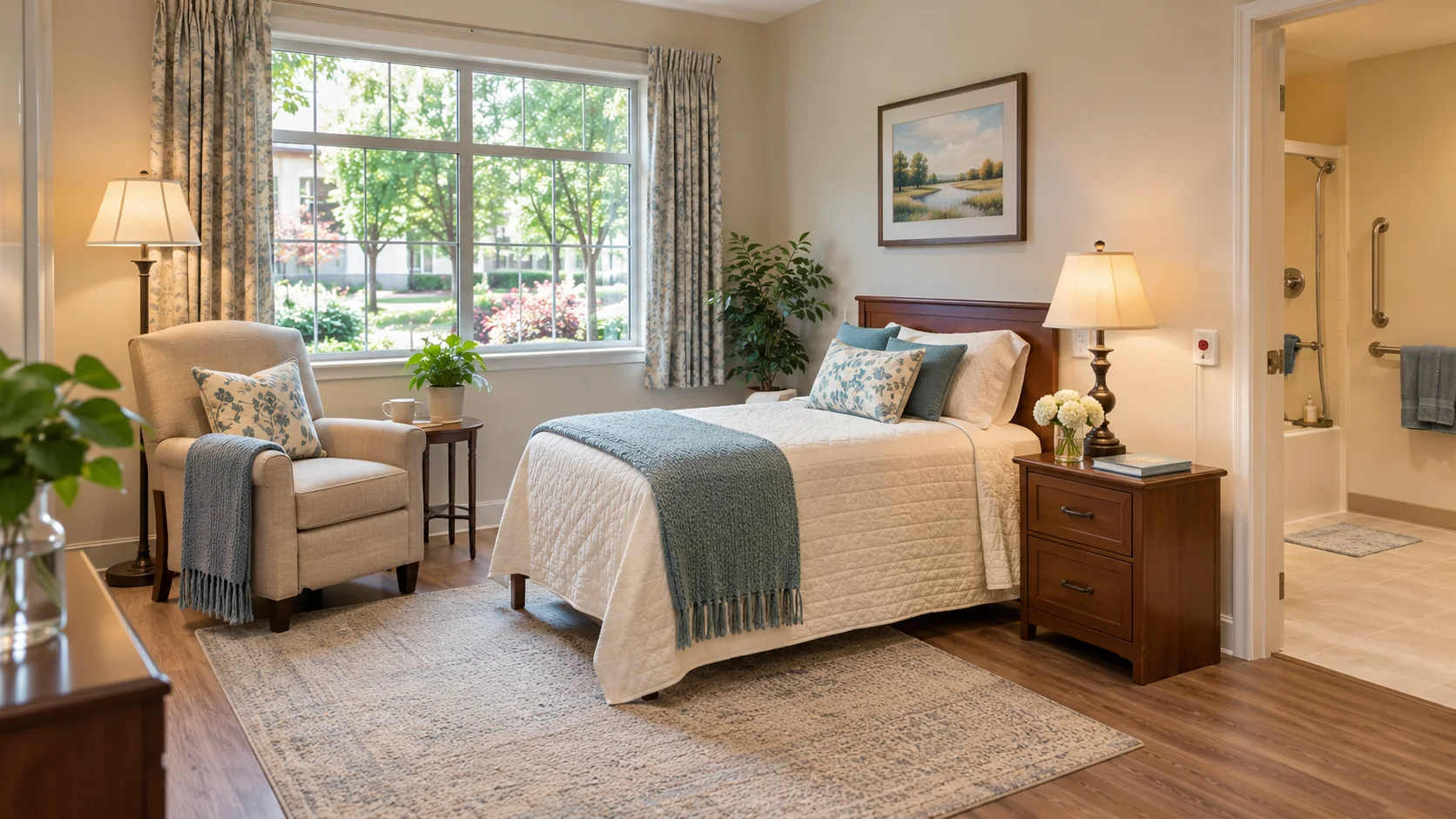
Before buying equipment or paying for renovations, ask whether a qualified professional should assess the person, the task, the home and the required installation. A grab bar in the wrong place or a mobility aid used without fitting can introduce risks rather than solve them.
For related housing decisions, see our guides to assisted living versus nursing homes and independent living. These are different decisions from obtaining disability-focused independent-living skills services.
How to find an independent living specialist
Start with the kind of help you need
Write a one-sentence goal: for example, “I want to learn how to use accessible buses” or “We need an evaluation of whether independent living is safe after repeated falls.” Those requests may require different professionals.
Find an organization with a relevant scope
In the United States, the federal Administration for Community Living provides information about Centers for Independent Living and a directory route. If your request relates to a state developmental-disability service, contact the state program because referral and funding rules can differ.
Outside the United States, contact a local disability advocacy organization, social-services department, aging-services agency, or rehabilitation service to identify the appropriate program. Do not assume the U.S. program name or funding rules apply in your country.
Interview providers before committing
Ask questions in plain language, and invite the person receiving support to lead when possible:
- What exact services will you provide, and which will you not?
- Do you have experience with the person’s particular access and communication needs?
- What training, supervision, and background checks apply to staff?
- Is your role coaching, direct care, clinical therapy, housing referral, or several distinct services?
- How will the person choose goals and give feedback?
- Will you come to the home, meet in the community, or work remotely?
- Are there written fees, funding conditions, cancellation rules, or referral commissions?
- How will we measure meaningful progress without pressuring the person?
- What happens if the assigned specialist leaves or a service is interrupted?
- When do you refer to a licensed clinician or another service?
A credible provider should be willing to explain boundaries, confidentiality, safeguarding processes, and how someone can complain or change providers.
A two-minute provider fit check
| Your main need | Most useful starting point | What to verify |
|---|---|---|
| Learning daily skills, advocacy or community access | Local disability-led CIL or relevant skills program | Eligibility, self-directed goals, peer support and service limits |
| Falls, transfers or uncertain mobility aids | Primary clinician, physical/occupational therapist as indicated | Assessment and safe equipment selection |
| Bathing, dressing, meals or regular personal care | Home-care agency or personal assistance program | Care tasks, supervision, scheduling and training |
| Comparing residential senior-living communities | Housing/care placement specialist, with conflict disclosures | Commissions, facility criteria and unbiased alternatives |
| Sudden confusion, breathing problems or serious deterioration | Urgent clinical evaluation / emergency services | Do not postpone assessment for coaching |
Working principle: start with the person’s goal and safety needs, not the provider’s job title. Several professionals may contribute to one plan without replacing one another. Our guide to home care aide duties distinguishes hands-on personal assistance from skills coaching.
How much does an independent living specialist cost?
There is no dependable universal hourly price. Cost depends on the country, program, funding source, duration, and whether the role is publicly funded, nonprofit, or private. Core services through U.S. Centers for Independent Living can be available through publicly supported programs, whereas private coaching or unrelated senior-housing advice may follow a different payment model. Do not assume insurance covers a service merely because its name contains living or care.
Request a written explanation of what is included, what may be billed, travel charges, cancellation terms, and whether any partner receives a referral fee. If a program says it is free, ask whether that covers all requested activities.
When an ILS is not the right first call
A specialist should not be expected to diagnose dementia, prescribe therapy, manage medications without appropriate authorization, assess the cause of repeated falls, or guarantee that living alone will be safe. If the question is whether an older relative needs regular hands-on personal assistance, compare caregiver and caretaker roles and request a professional needs assessment.
A short decision checklist
- I need help learning a daily-living skill: ask about independent-living skills services.
- I need someone to perform daily personal care: ask about personal care services or home-health eligibility.
- I need medical diagnosis or rehabilitation: consult a licensed clinician or therapist.
- I need help choosing senior housing: ask for a housing adviser and disclose any referral incentives.
- I need immediate protection from a safety crisis: contact appropriate emergency, safeguarding, or medical services.
Frequently asked questions
Do independent living specialists work only with older adults?
No. In many U.S. disability-service settings, they support adults across ages, including people with disabilities who are not elderly. Some similarly named roles serve youths or people transitioning out of institutions.
Are independent living specialists licensed healthcare workers?
Not by virtue of the job title alone. Some may hold additional qualifications, but ask the individual to identify any professional licenses and the services those licenses authorize.
Can an independent living specialist help someone stay out of a nursing home?
They may help identify community supports and advocate for an individual’s preferences. Whether community living is feasible depends on care needs, available services, housing, finances, safety, and clinical advice. No provider should promise a particular placement outcome.
Does an ILS replace family members or personal caregivers?
Usually not. The roles can complement one another. The person receiving support should have a say in what each helper does, with clear boundaries and responsibilities.
The bottom line
A good independent living specialist helps someone build practical control over their life, rather than taking it away. Start with the person’s own priorities, verify the provider’s scope, and involve licensed or other specialist services when needed. The right support should expand meaningful choice without overlooking real safety needs.
Editorial note: This article provides general educational information, not individualized medical, legal, or disability-benefits advice. Service names, eligibility and funding rules depend on where you live.
Key references
- U.S. Administration for Community Living — Centers for Independent Living
- California State Council on Developmental Disabilities — Independent Living Specialist
- Able South Carolina — Independent Living Specialist role
- Independent Living T&TA Center — Delivering Independent Living Services